Show finished
Inventari de fugues
Cartography is constantly reinvented by the escapes that draw it
Inventari de fugues has been a long research process; we imagine that the driving force comes from a personal question.
When I attempt to flee from myself, from conflict, and even from the ability to really look at what is around me, I wonder what exactly compels me to do so. What am I really fleeing from? And perhaps it is here, in this personal and almost silent experience, that the very idea of fleeing begins.
Fleeing is often presented as a possibility, a way out, a desire for movement. But it is also painful, because it always indicates an earlier violence. We don't flee from nothingness. We flee from something that expels, that oppresses, that cuts across bodies and territories.
How have we come to normalise the idea that an entire population can be closed, fenced in, deprived of movement, to the point of being condemned to disappear? There is a profound perversion when life becomes a negotiation or a tool of power. Fleeing is no longer just a personal experience; it is also an imposed condition. Some of us can momentarily flee from reality, turn off the screen, leave, rest. Others can only flee because, if they stay, they die. And I return to the question that is repeated over and over: what am I really fleeing from? Because perhaps I'm not fleeing only from powerlessness, but also from the responsibility of looking at a world built upon exclusions and silences. While I can momentarily disappear from the world, millions of people are expelled from it.
This piece aims to approach the tension between stability and instability; between the desire to flee and the need to survive; between bodies that can choose to move and bodies forced to do so. Bodies turned into merchandise, into a border, into a trace. Fleeing is no longer just a movement: it is a political, economic and emotional structure. It defines our time, our economy and its necropolitics. From this place, we joined María Velasco, Shaday Larios and Amaya Galeote to endeavour to look at the idea of fleeing. We knew it was impossible to embrace it in its entirety. But perhaps we could approach it through the small. From here an inventory is born: a compilation of the objects that many displaced people have forcibly taken with them when they have had to flee. Minimal, everyday, essential objects. Objects that trace paths, absences and memories. An endless objectarium, impossible to complete, because there are too many things fleeing, too many bodies moving, too many lives crossing borders at this very moment.
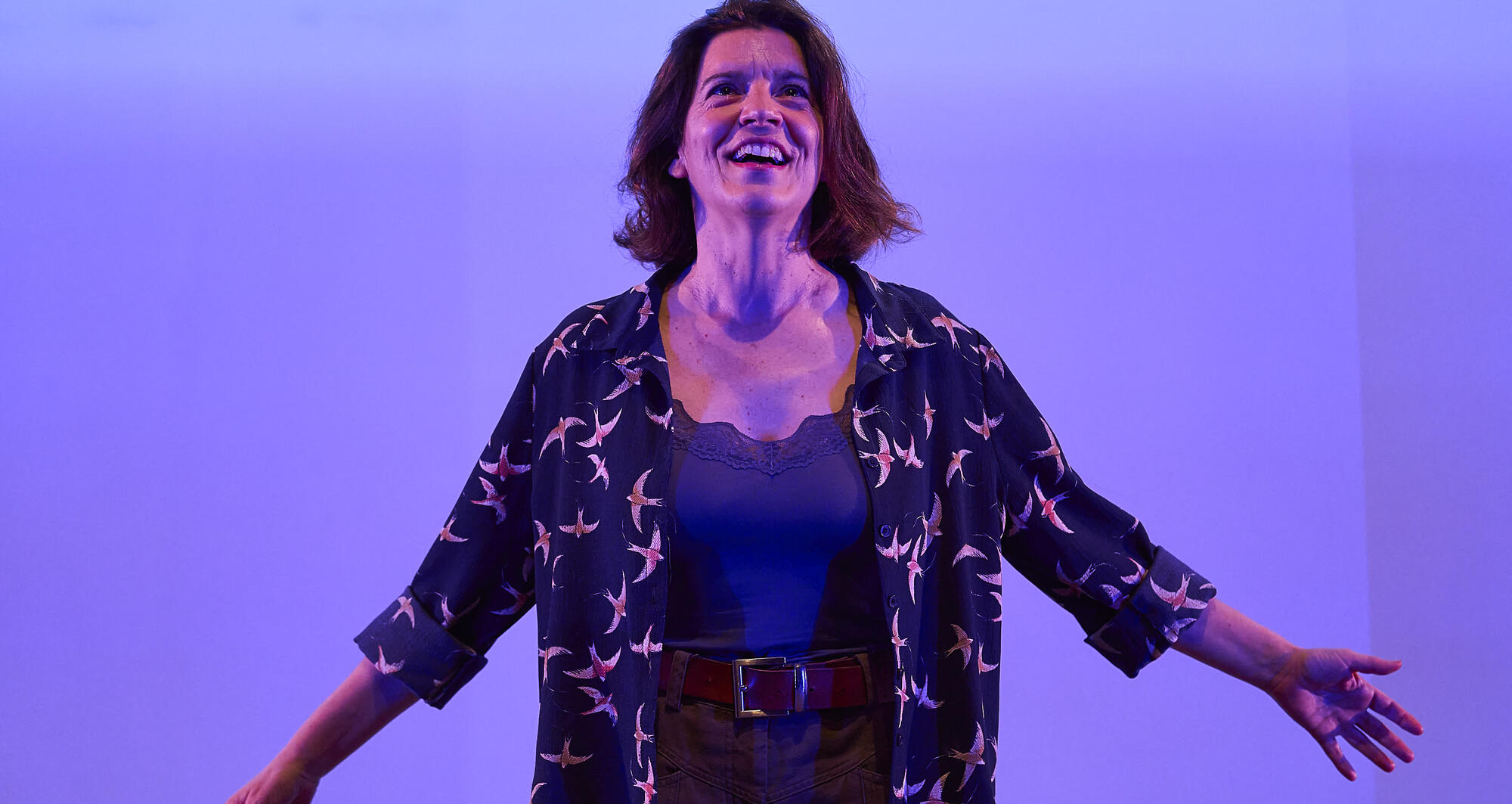
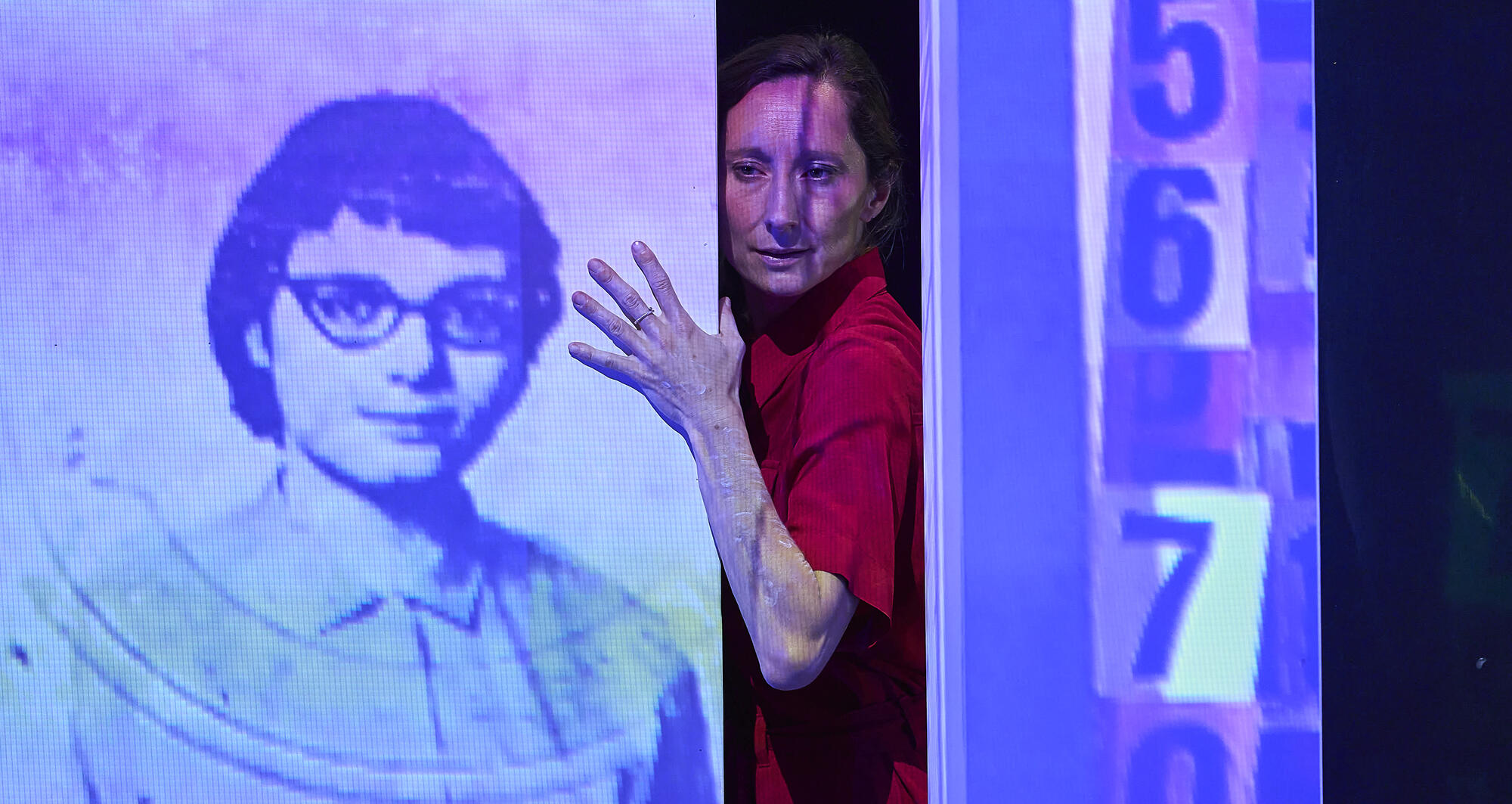
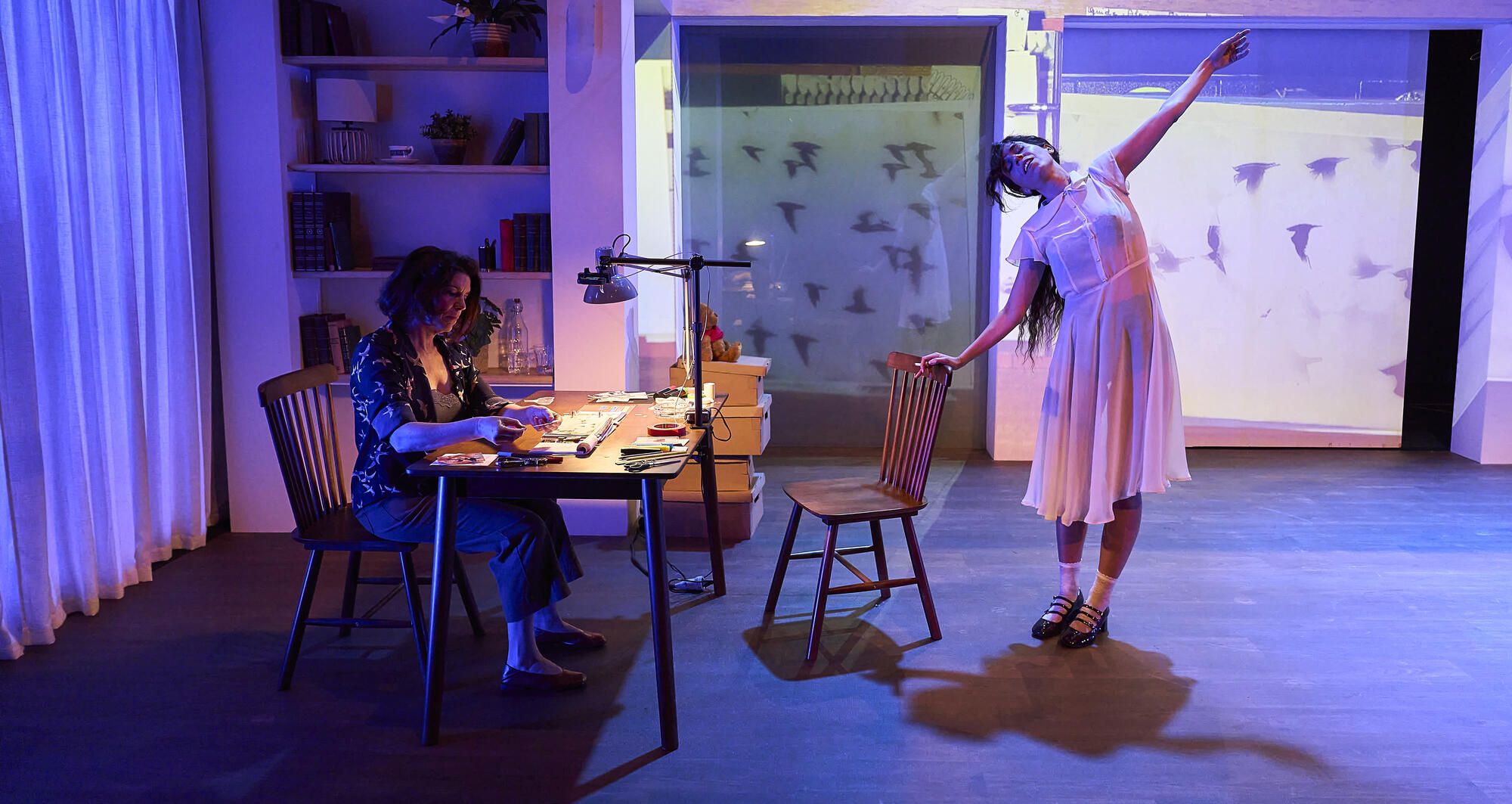
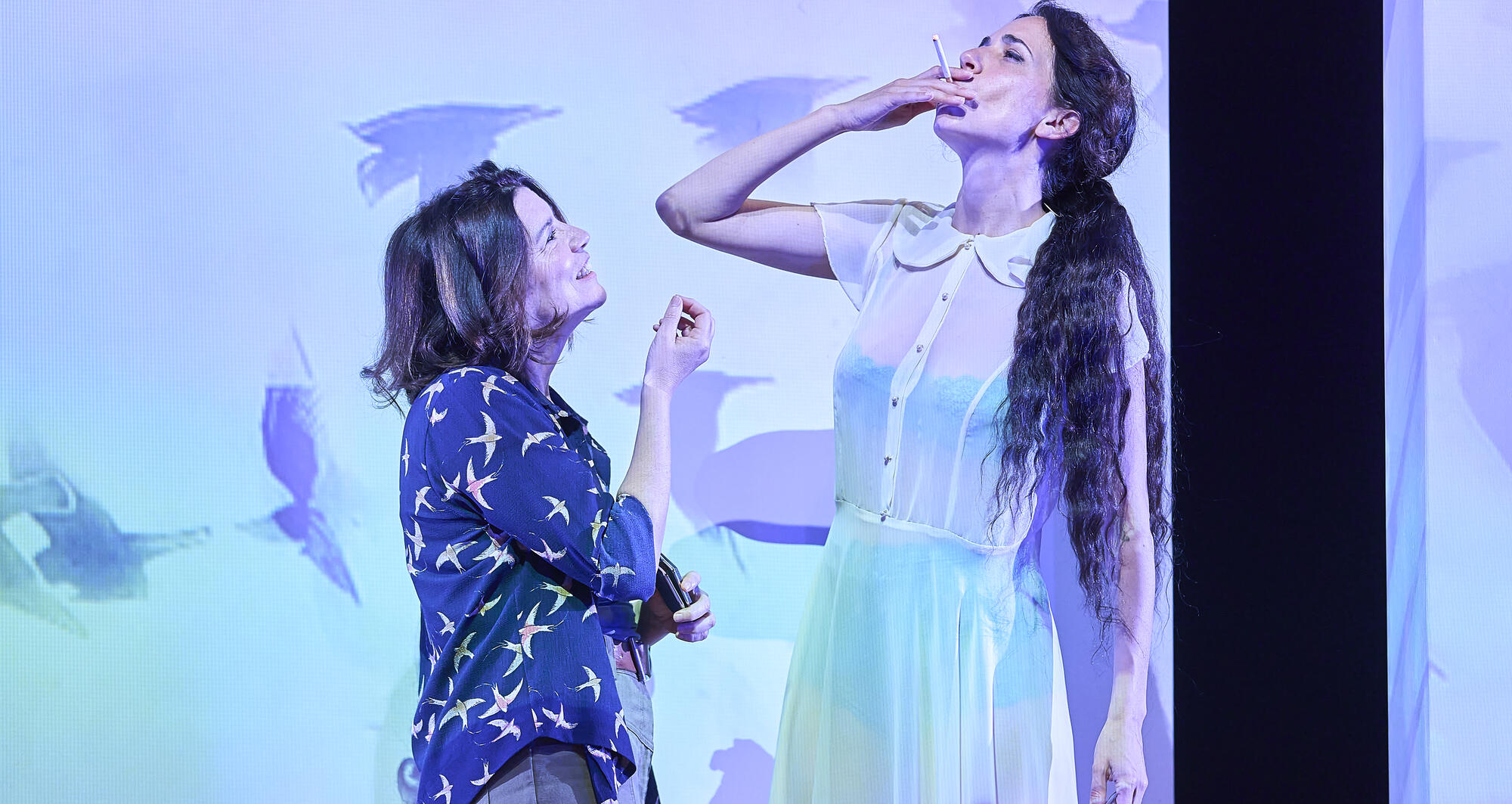
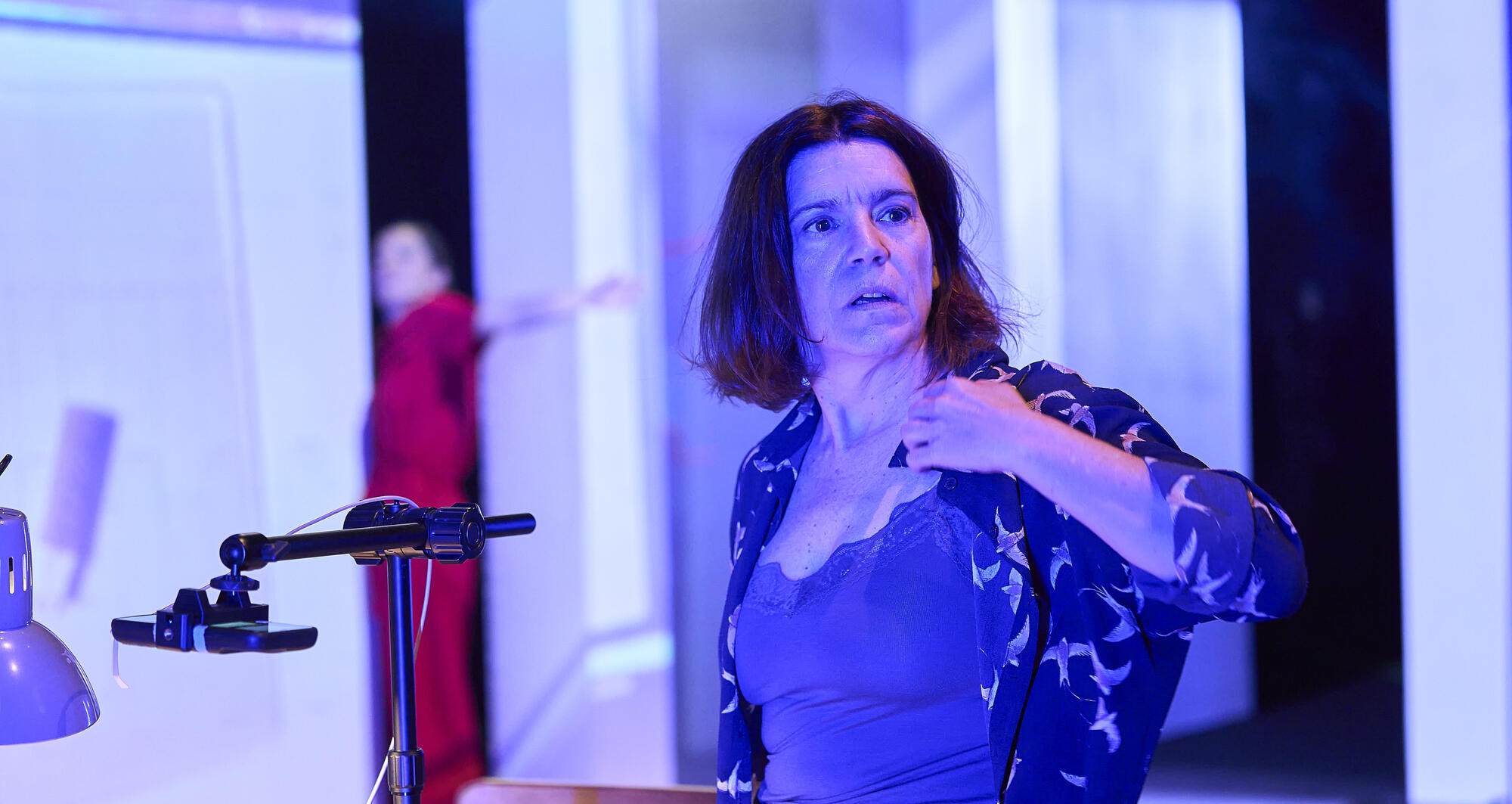
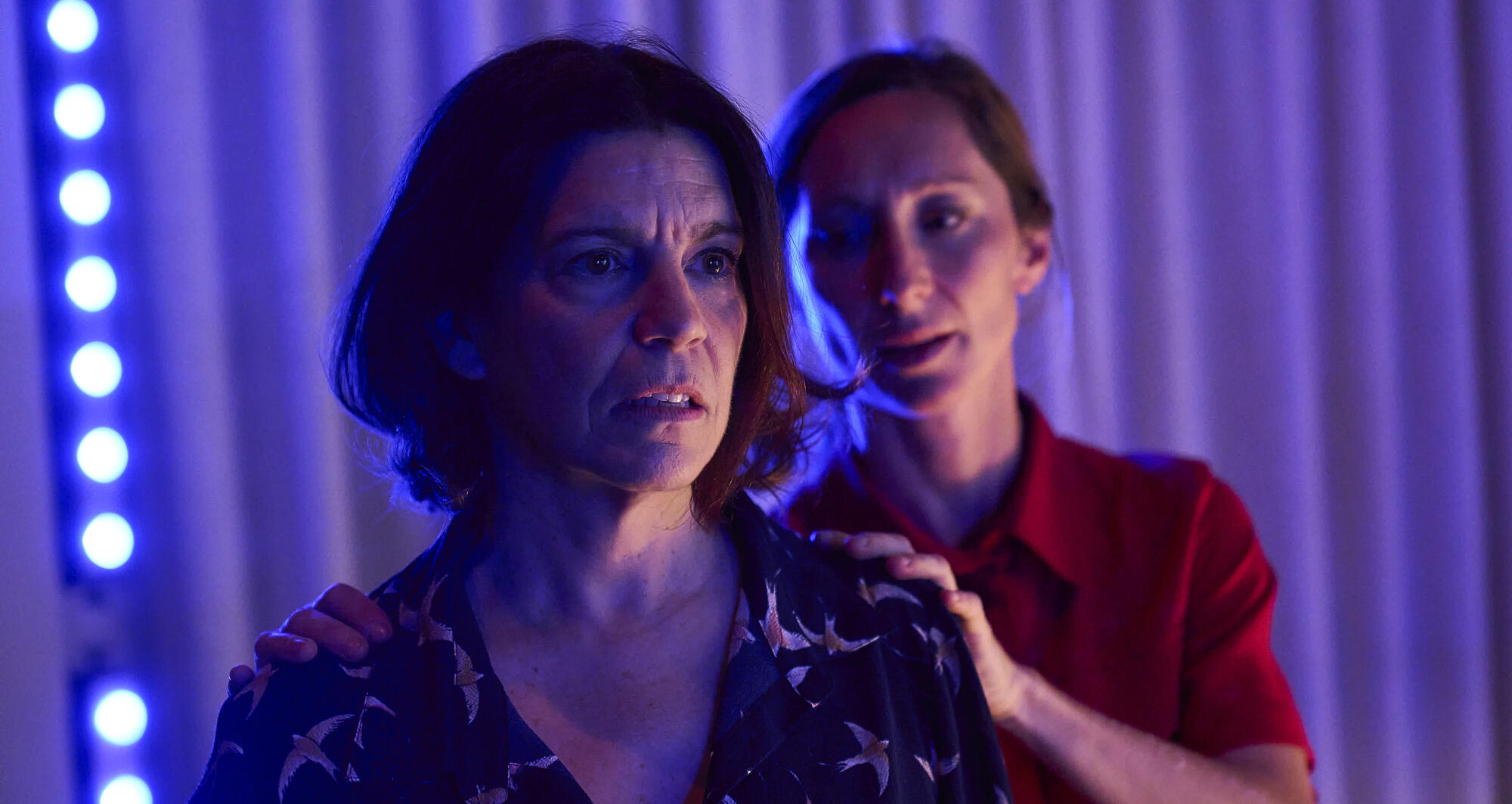
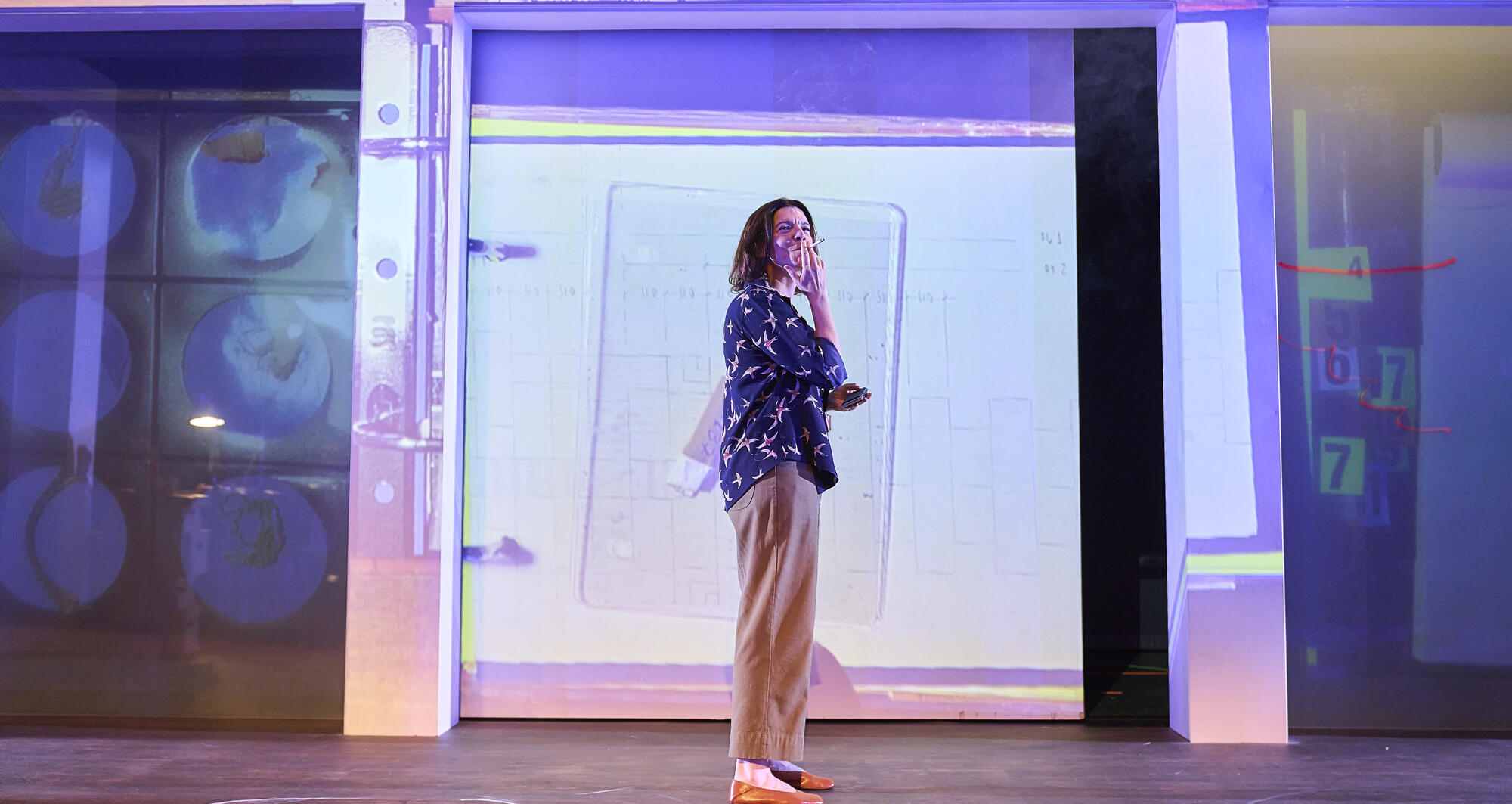
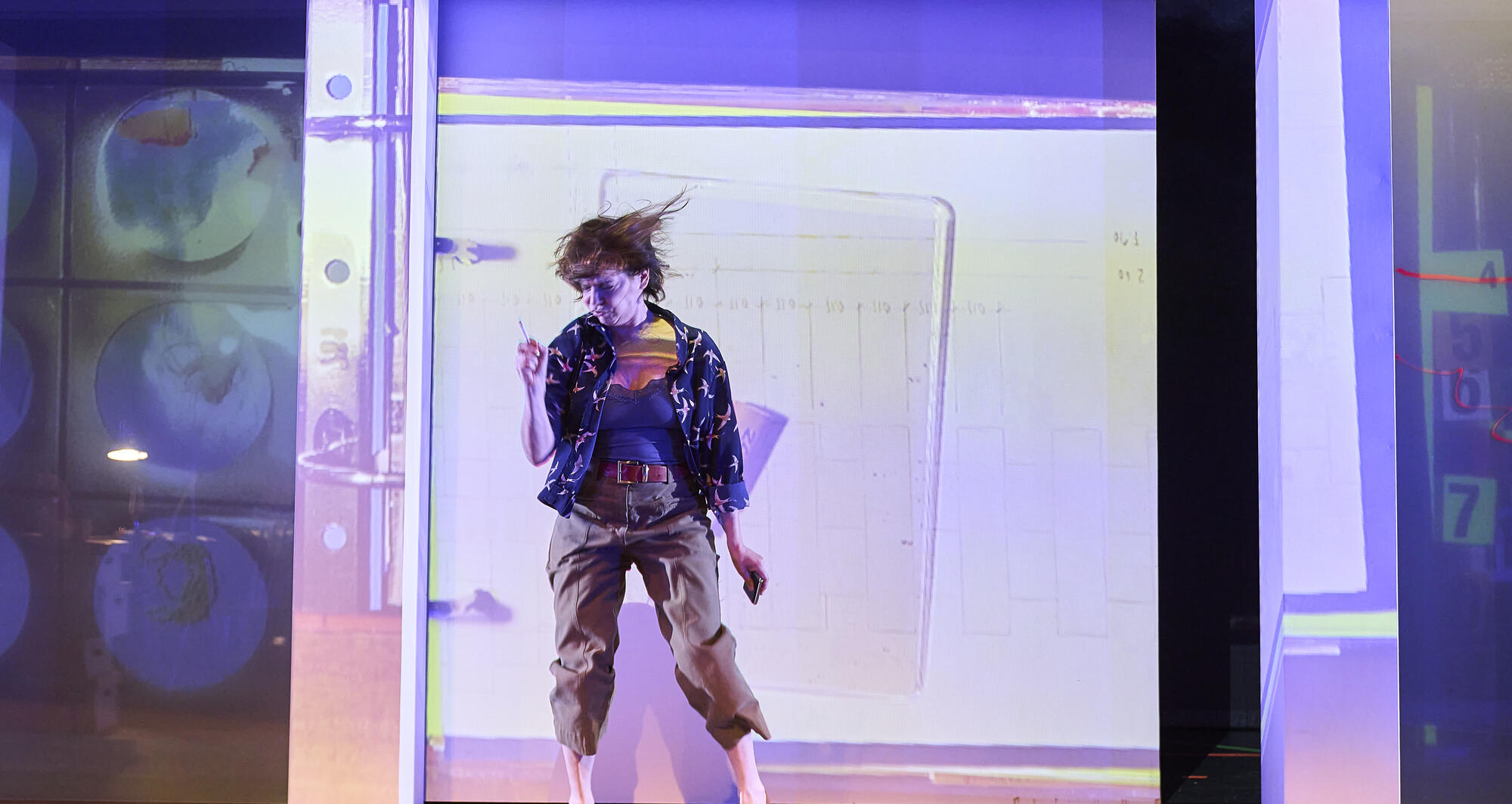
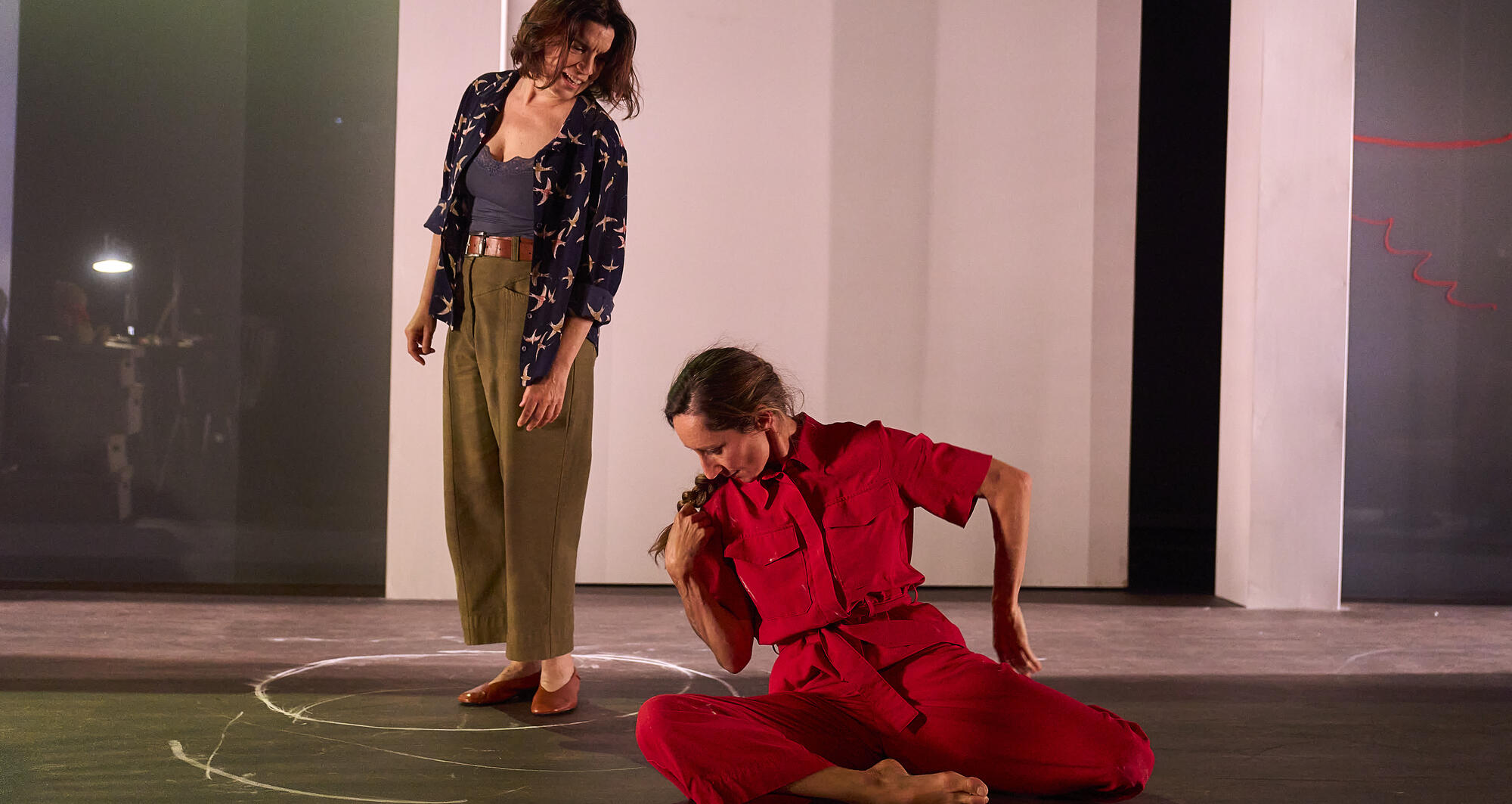
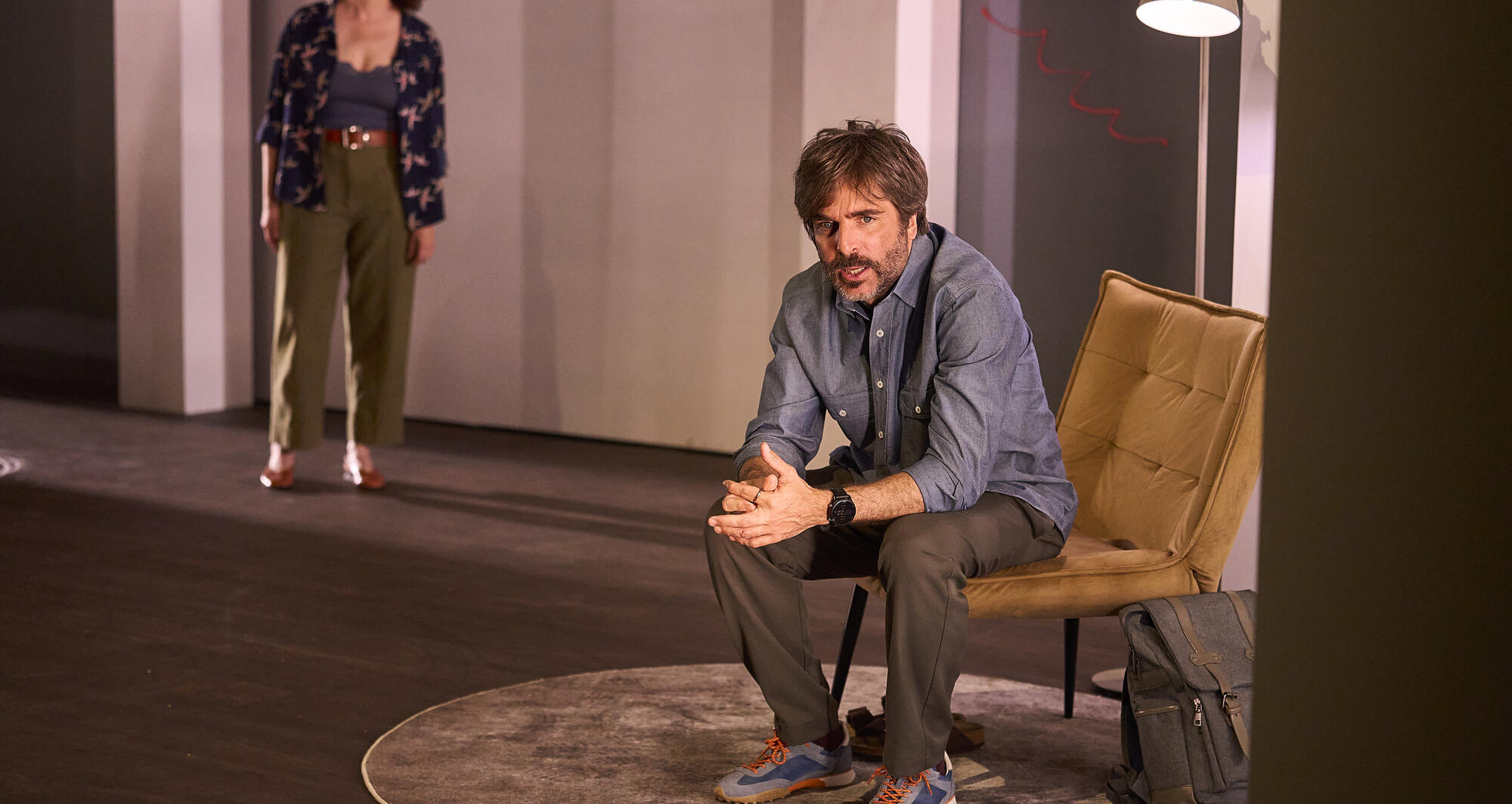
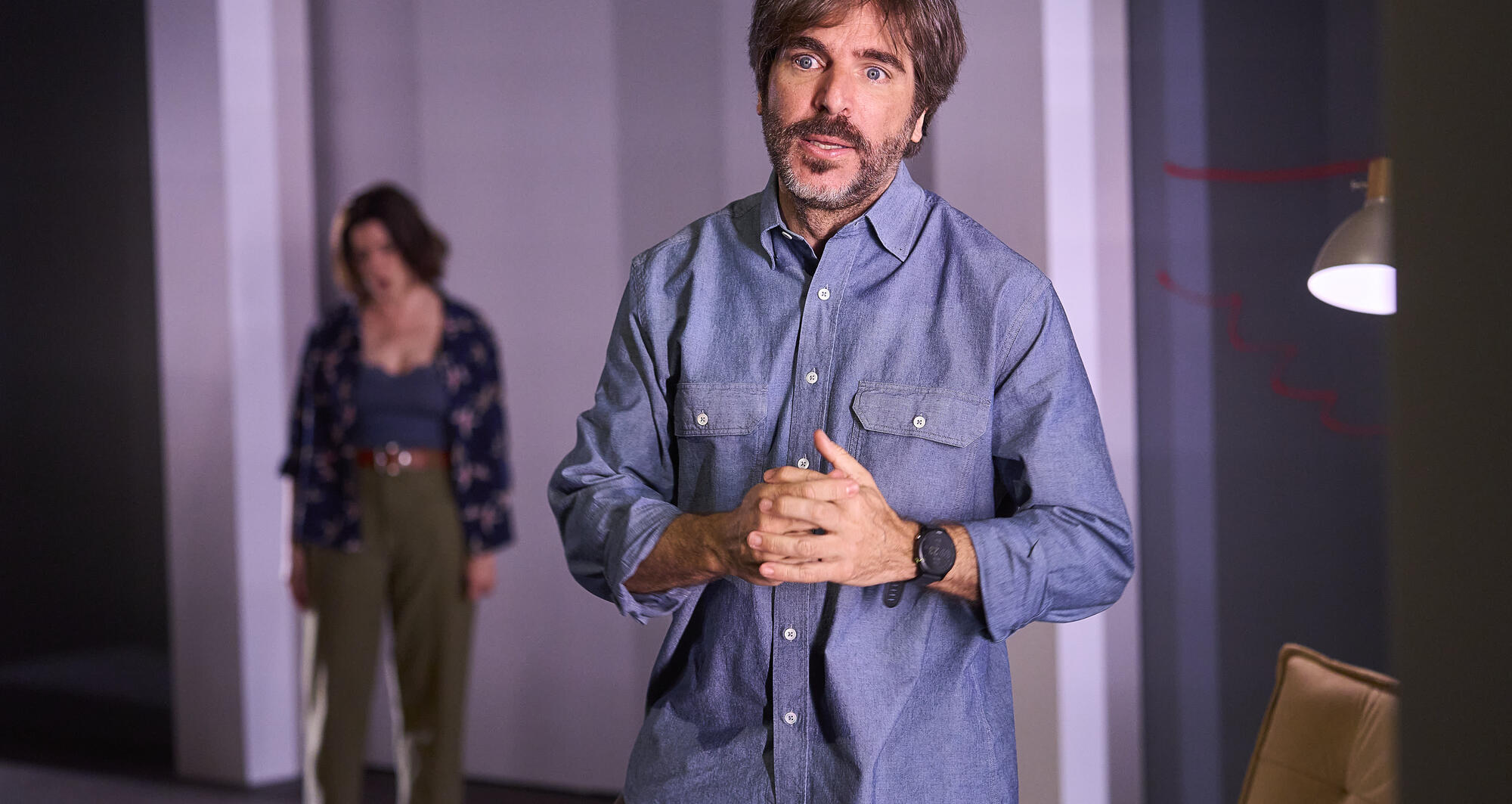
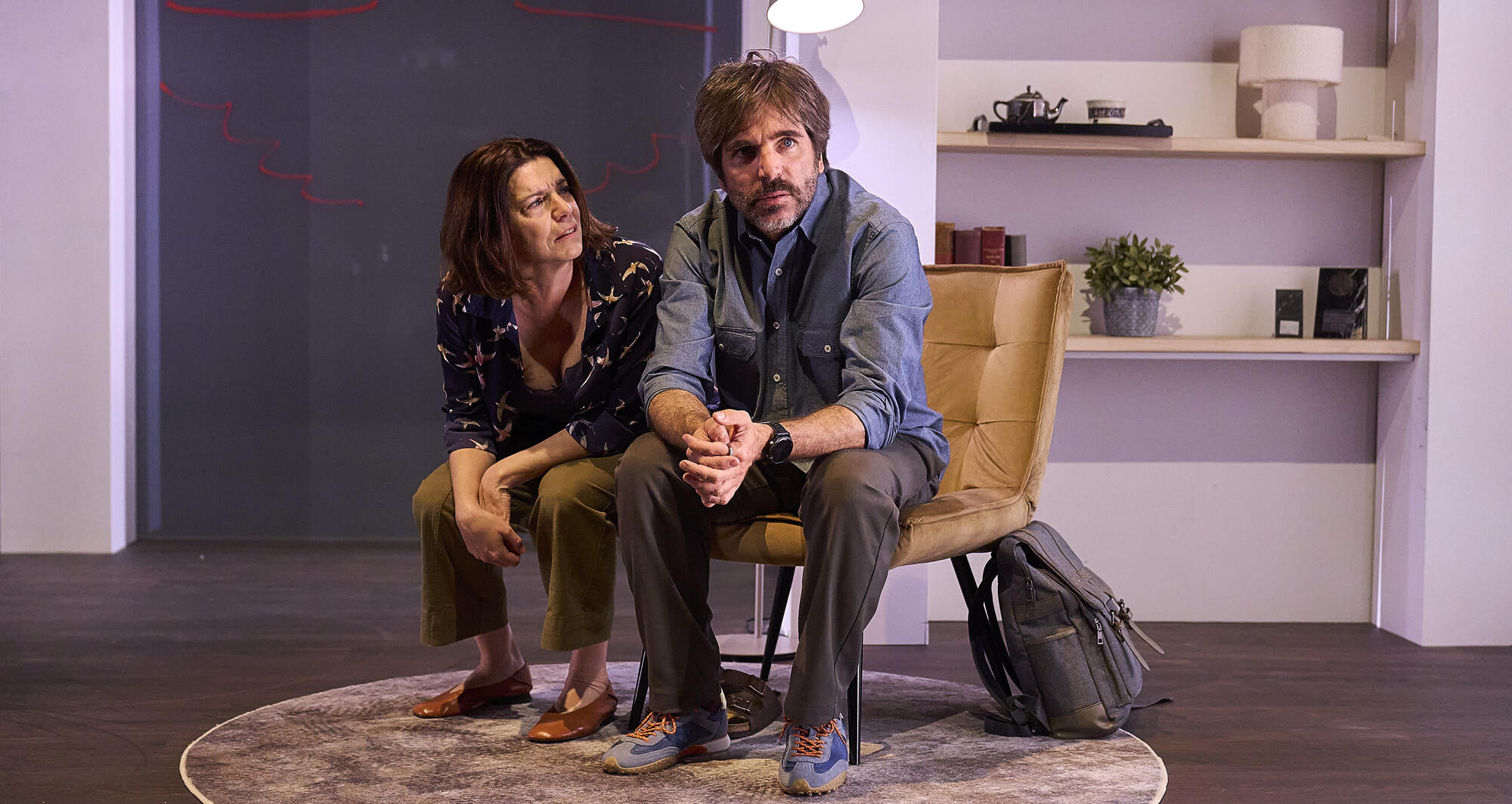
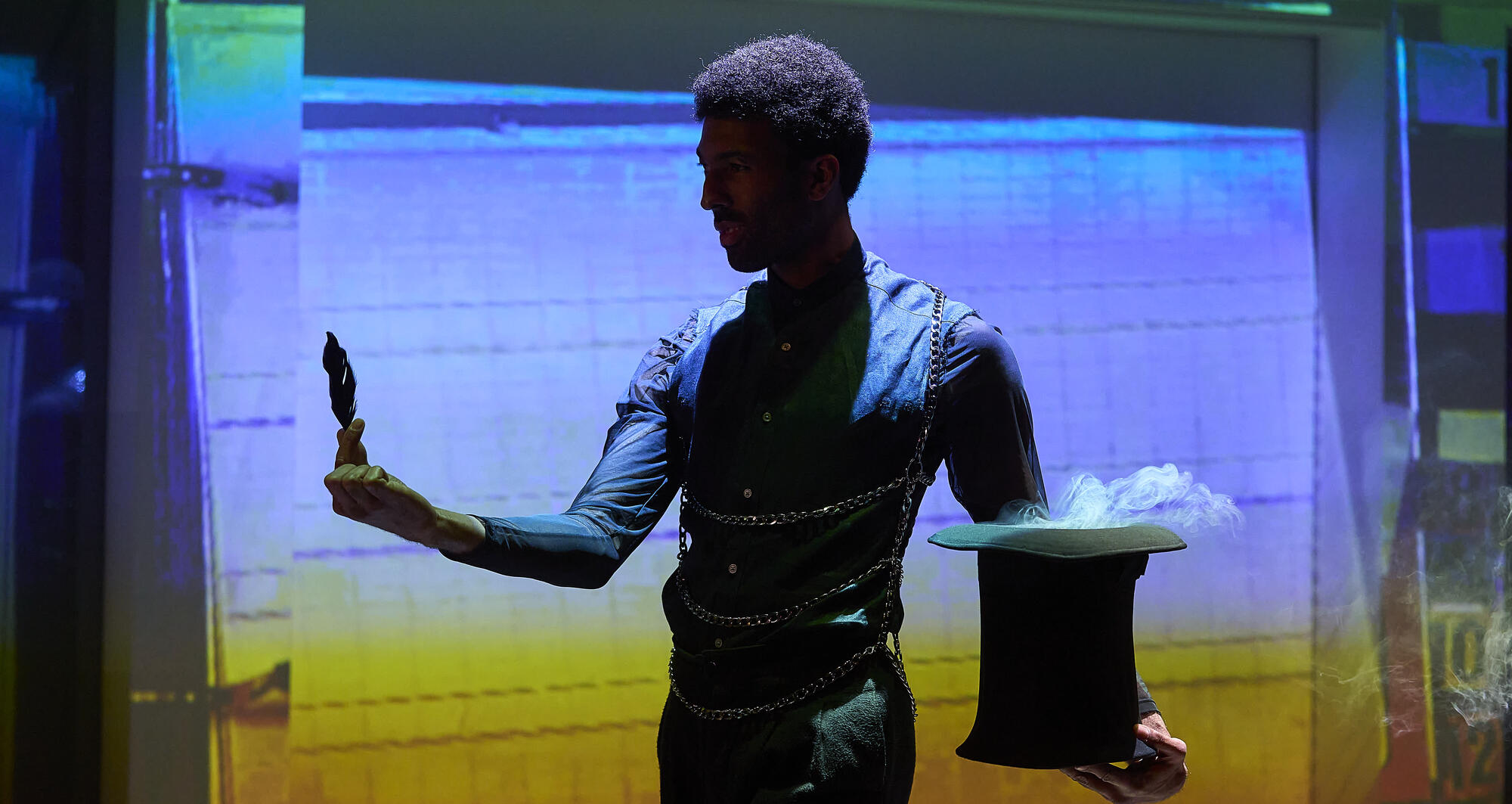
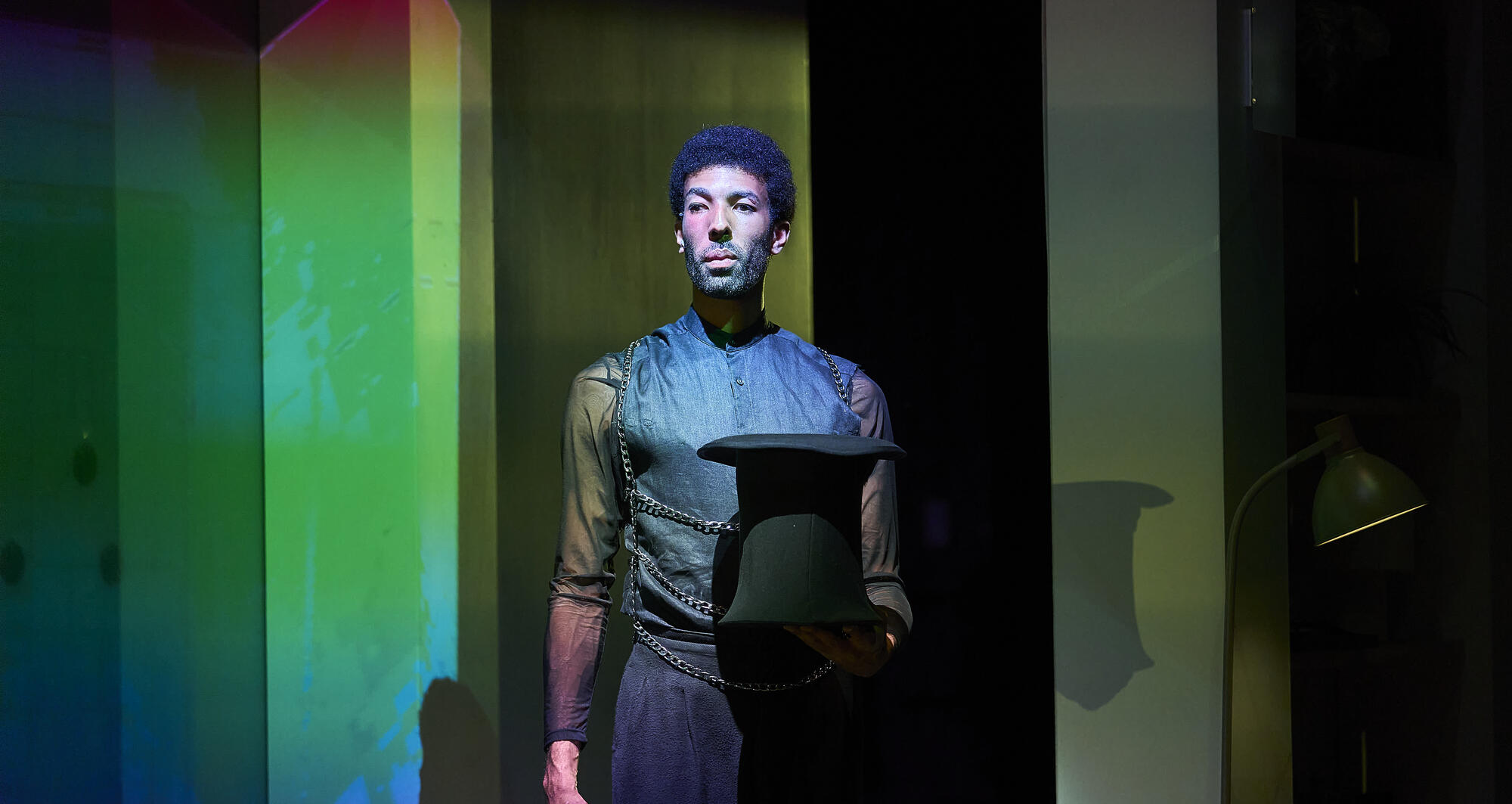
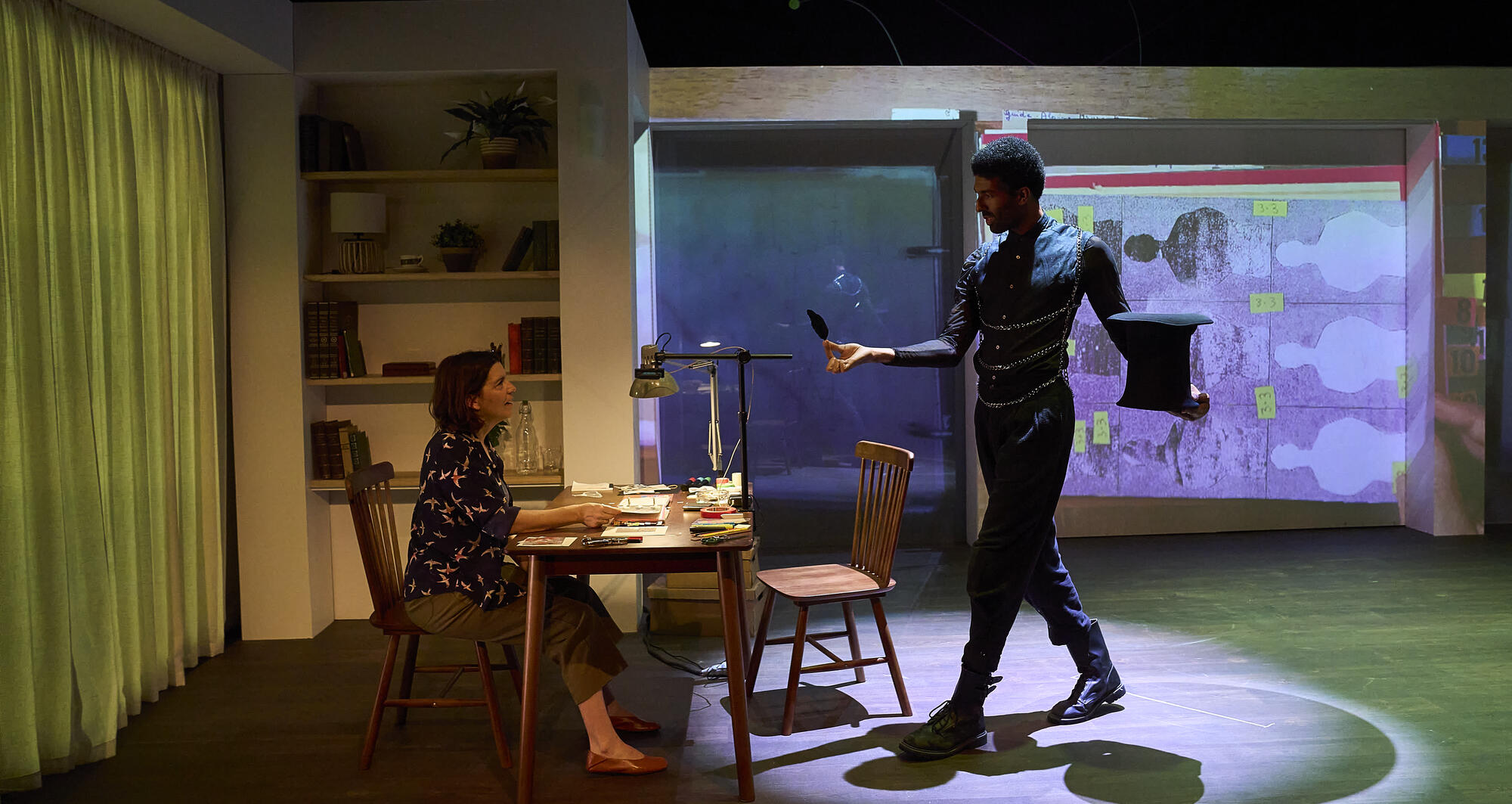
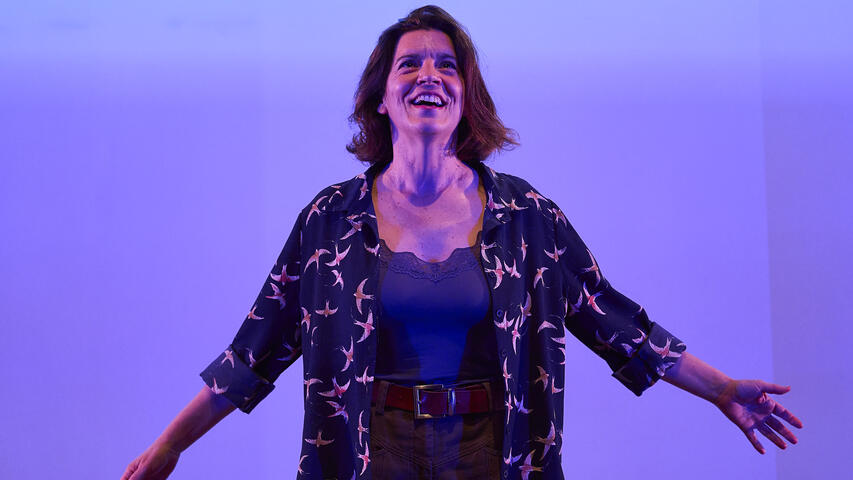
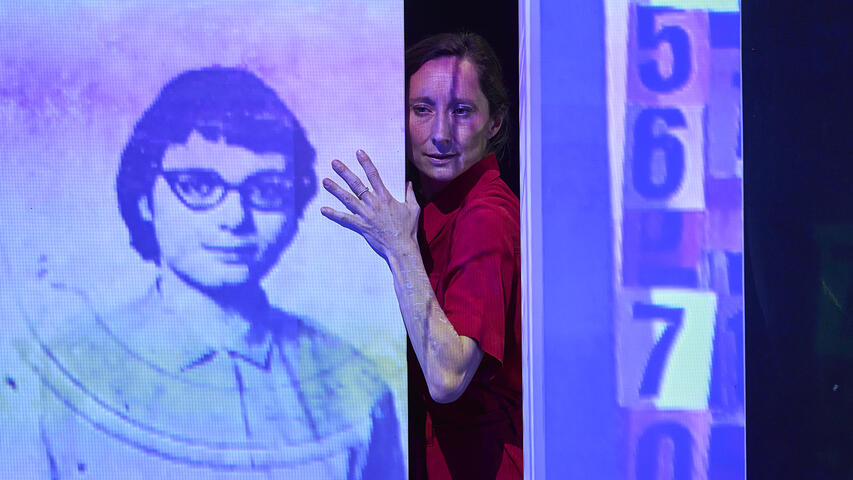
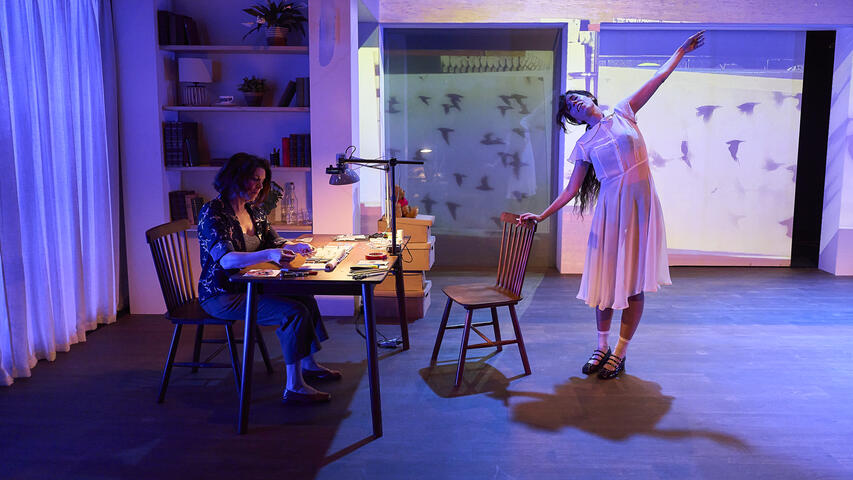
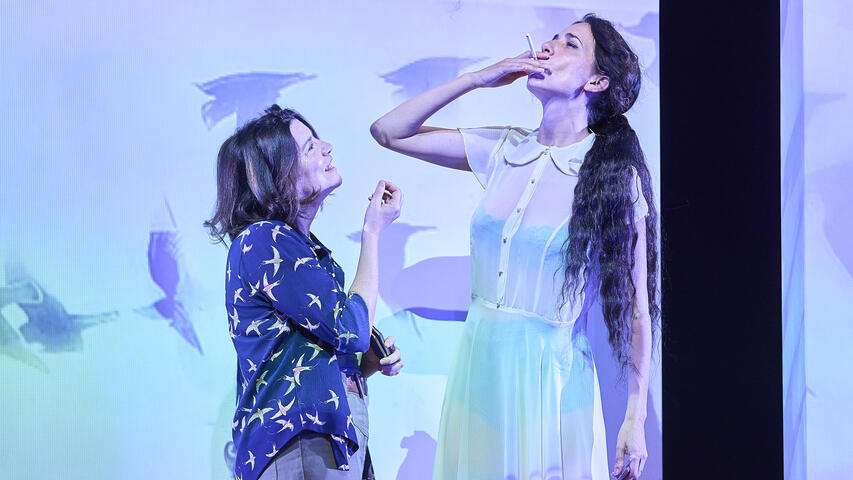
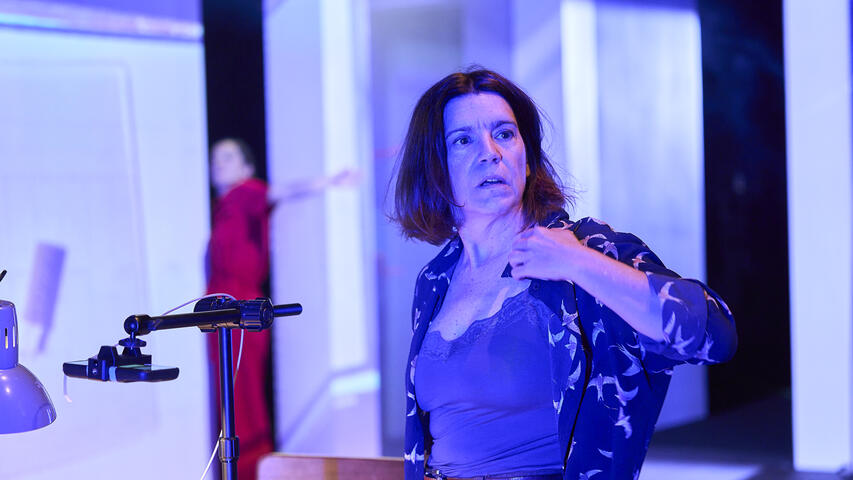
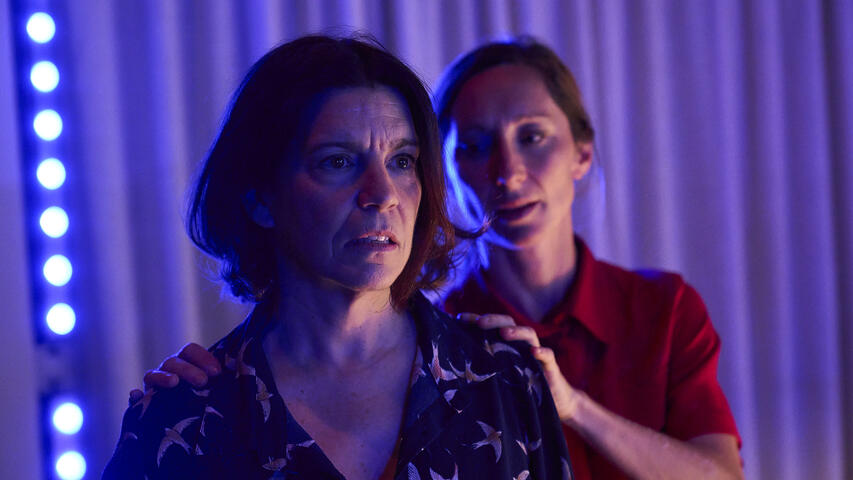
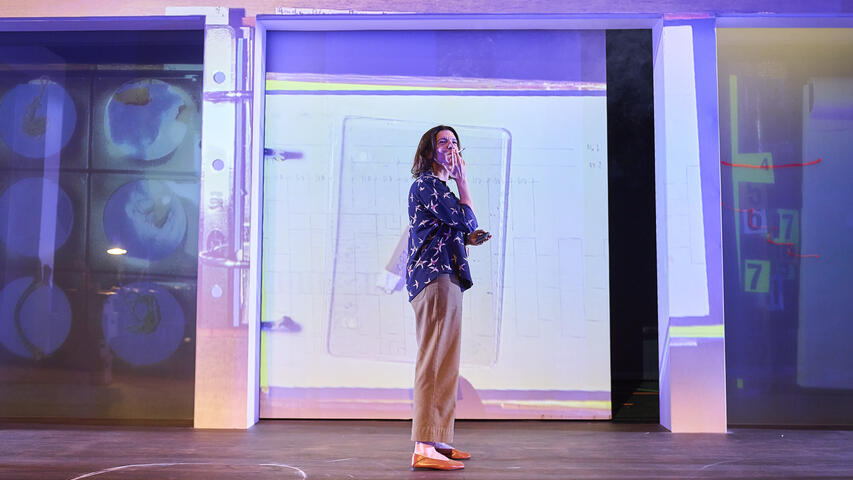
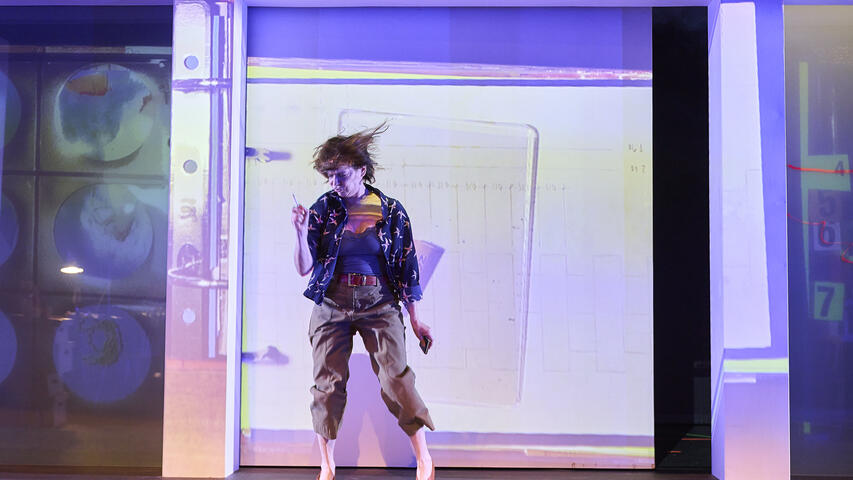
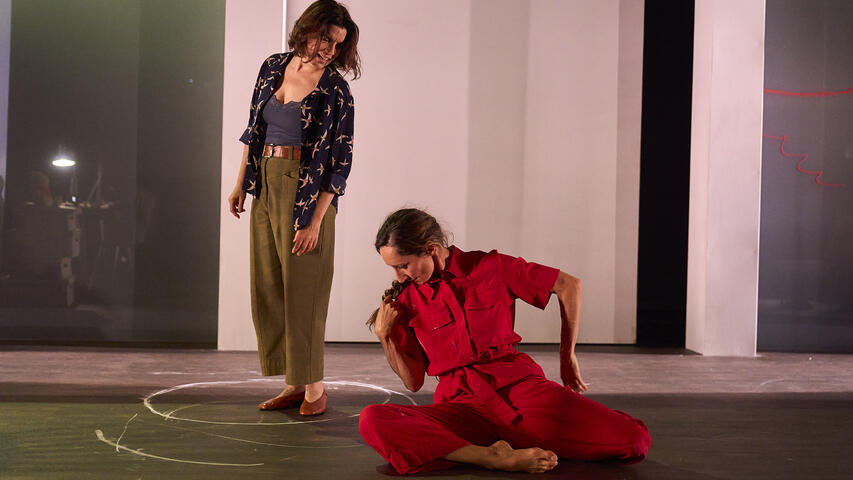
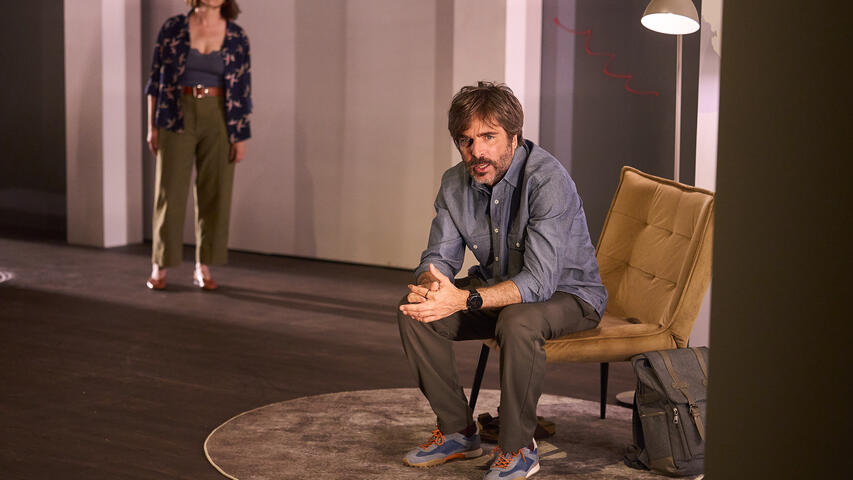
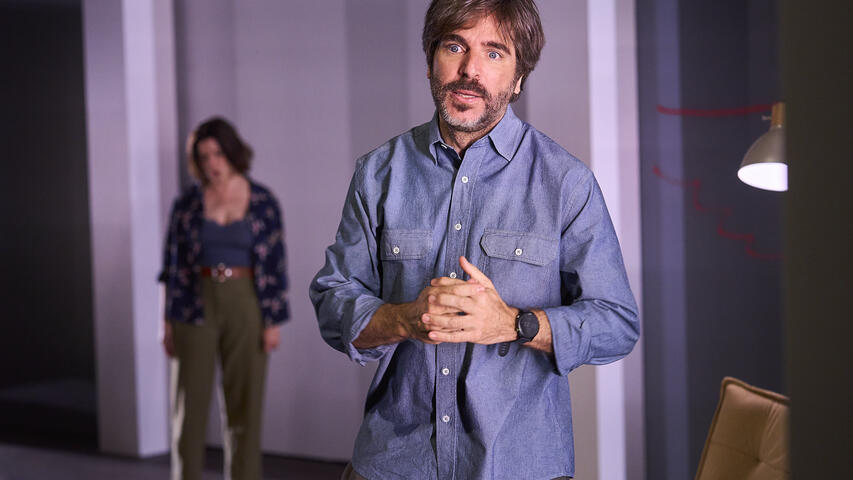
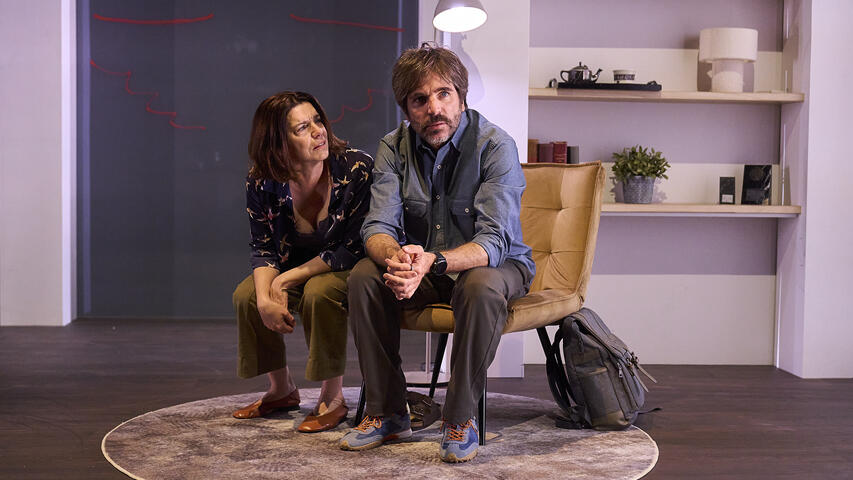
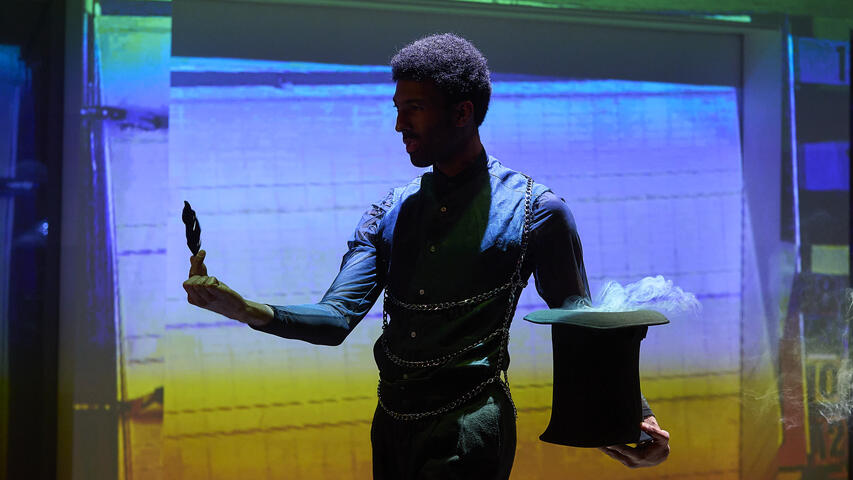
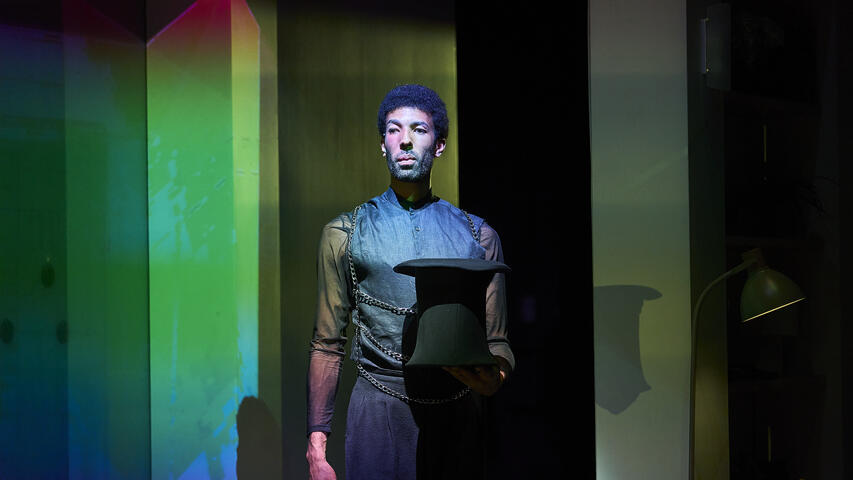
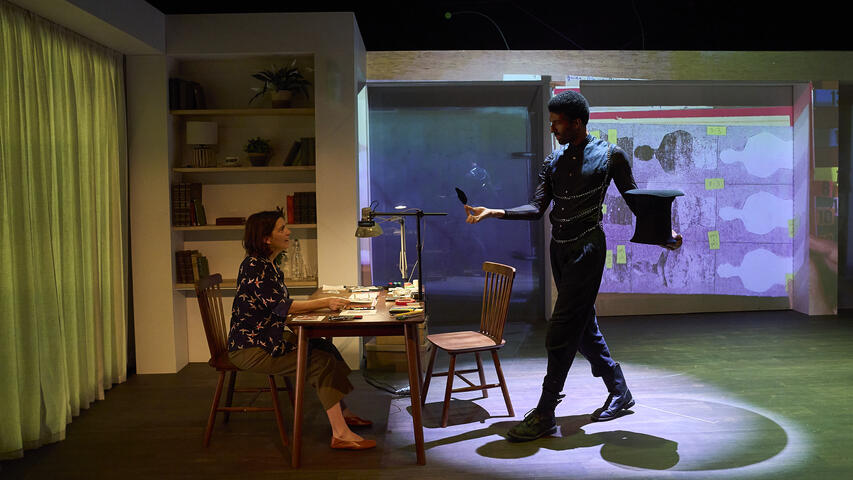
On stage, a character who cannot find comfort anywhere builds this inventory and traces its routes. From home and close relationships, the piece opens up to the outside and towards abstraction: the objects are transformed into a map, and the map into a trace of something impossible to fully encompass. With an inventory of flights through the objects that people have taken with them when they have had to leave. A ring, a cassette tape, a box, a photograph, a key. Seemingly minimal objects that contain an entire life and that become repositories of memory, and survival. The inventory comes to life through its protagonists —Henry Box Brown, Elise Cowen, Lisa Fittko— and also through stories of people who, even today, have to flee. All of them carry objects that become living archives of the past they leave behind. Maps are constantly reinvented through the flights that draw them. Each forced displacement leaves an invisible mark on the world: an improvised line, a fragile trace, a memory transported within an object. Flights, exiles, exoduses and diasporas leave behind footprints, trails and signs that form a constantly moving tapestry.
Inventari de fugues embraces documentary theatre, theatre of objects, fiction, installation. It drifts between forms and languages like a hybrid stage flight. And in this displacement, a very old question re-emerges that, doggedly, remains valid: what can we do today with words, with representation, with what we understand as plausible? What do we do with truth and lies, with stories, with the formats of the stage, in an increasingly fragmented world, reduced to smaller fragments, to shorter words, to more uniform gazes and to such directed experiences? I don't know. I don't know if we'll ever know. But there is something that has made sense from the beginning: finding ourselves on this inventory. Sharing it with an incredible team, where the most valuable thing has not only been the talent or artistic knowledge ‒ which it certainly has been ‒, but the way of being together, of addressing questions, doubts and fragilities, and of building a kind of community filigree among all of us. This filigree is, ultimately, the piece we present.
Thanks to all the people who have shared their objects, their stories, their flights with us.
Judith Pujol, director of the play
Idea and creation
Amaya Galeote, Shaday Larios, Judith Pujol, María Velasco
Direction
Judith Pujol
Dramaturgy
Judith Pujol, María Velasco
With
Xavi Álvarez, Ricard Boyle, Dasha Lavrennikov, Laia Marull, Lara Salvador Peydro and Coral Sant Jordi
Objects
Shaday Larios
Set Design
Víctor Peralta
Music
Laia Vallès
Choreography
Amaya Galeote
Lighting
Jou Serra
Audiovisuals
Carme Gomila
Costumes
Giulia Grumi
Makeup and hair
Imma Cape
Sound
Efrén Bellostes
Recording saxophone
Carlos Medina
Assistant director
Mauricio Sierra
Set design assistant
Eli Siles
Costume design assistant
Maria Albadalejo
AV assistant
Marc Homar
Lighting assistant
Marieta Rojo
Set construction
Carles Piera
With the accompaniment of Convent de les Arts d’Alcover
Production
Teatre Nacional de Catalunya
Acknowledgments
To Agustina Ruiz Barrea (Santa Mesa project); Jorge Moreno Andrés and Julián López, Mapas de Memoria Collective (exhibitions El cuerpo Errante. Exilio 1939-1975 and Las Pequeñas Cosas); Patxeque; Gina López Realpe, Evgenei Lavrennikov, and all the research and people featured in this map of flight.
Technical and management teams of the TNC
Prices
From €12 to €24General information
Theatre1 h 45 min
+ 16 years
Show included in the ticket
Schedules
Wednesday to Saturday at 7 p.m.Sunday at 6 p.m.
Accessibility
Accessible Play: 11/06/26


Recommended age
+ 16 yearsActivities
05/06/26: